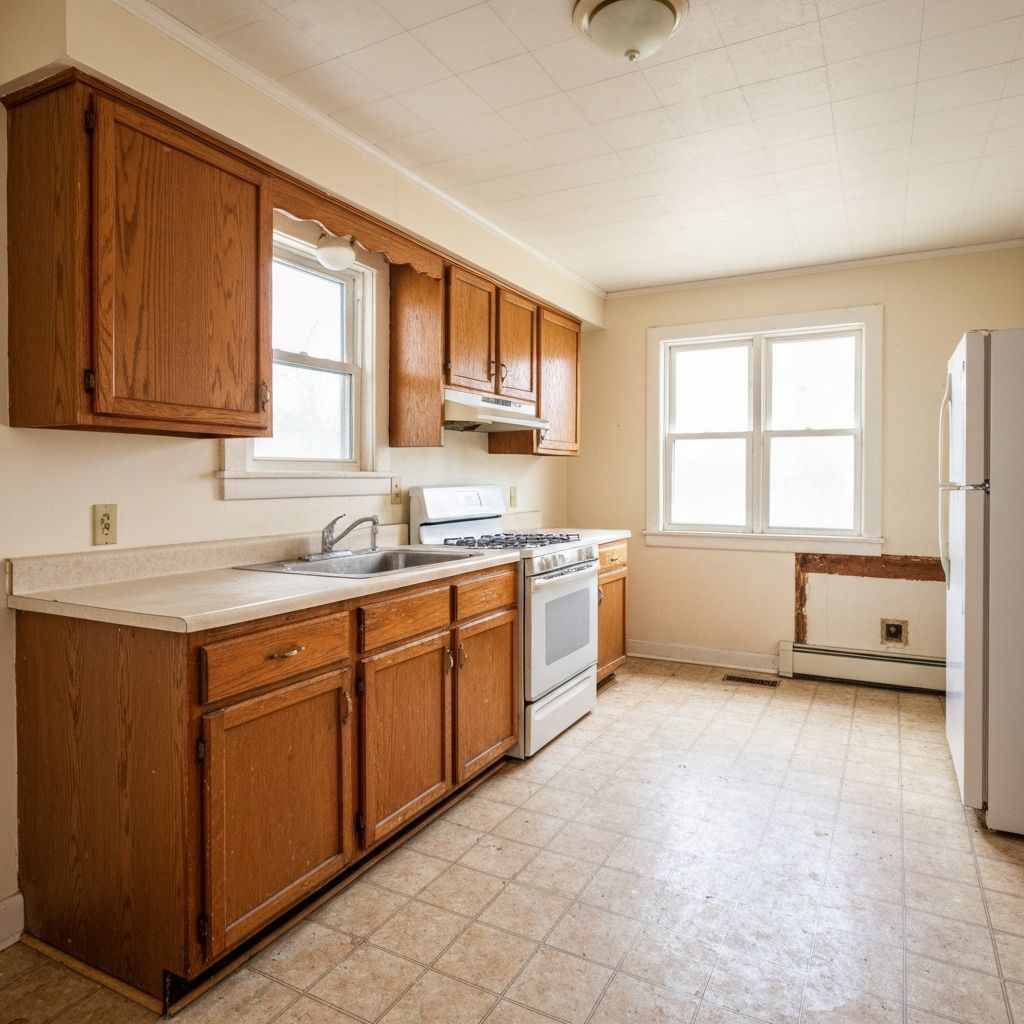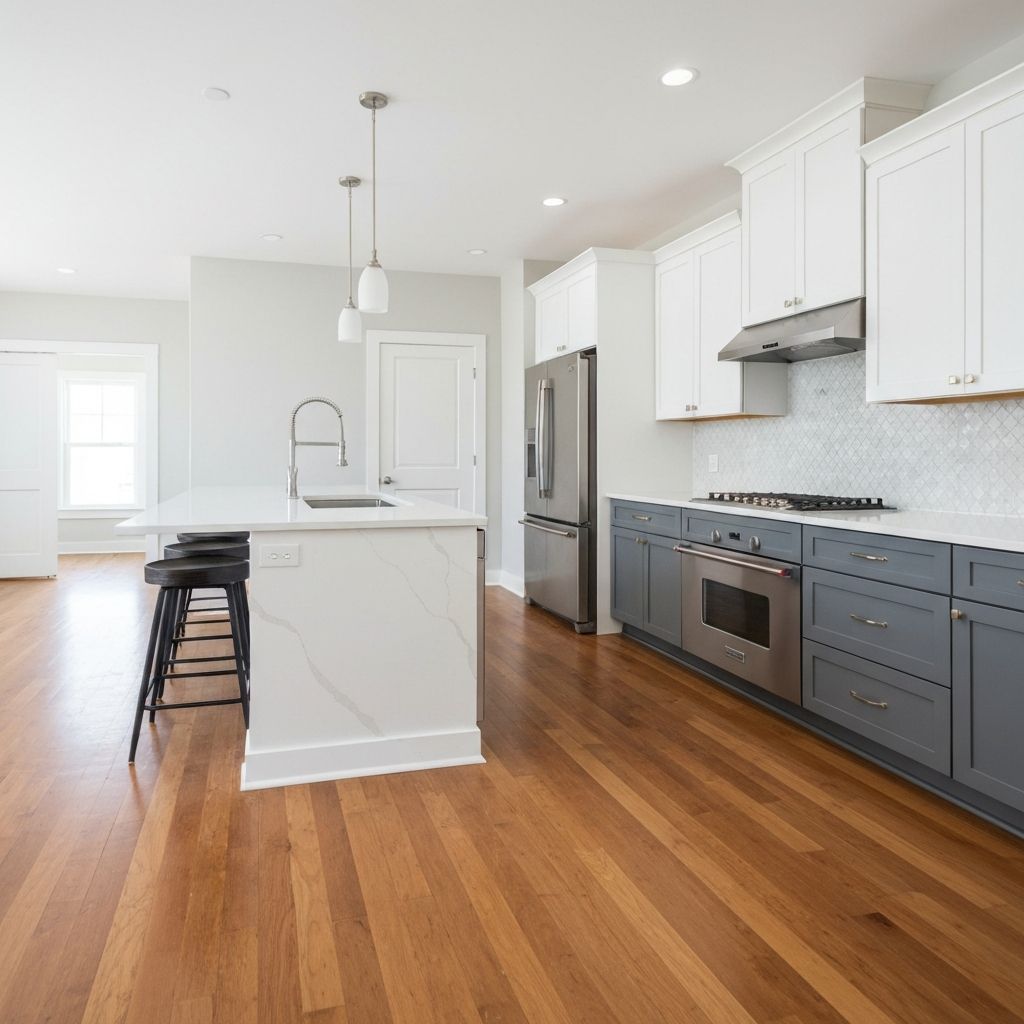
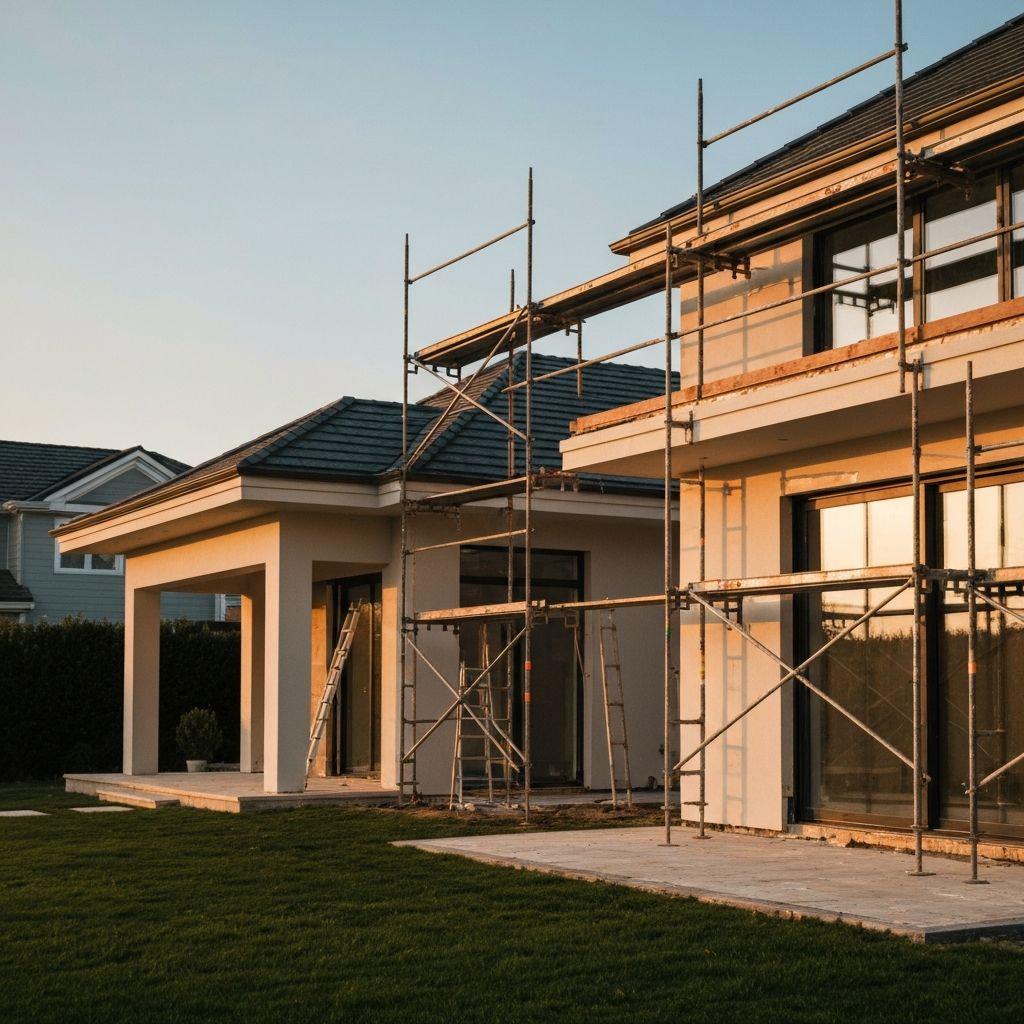
Fix and flip financing, also known as rehab loans or short-term real estate investment loans, is a specialized form of real estate funding designed specifically for investors who purchase properties, renovate them, and sell them for profit. Unlike traditional mortgages that span 15-30 years, fix and flip loans are structured as short-term bridge loanstypically ranging from 6 to 18 months.
How Fix and Flip Loans Work
Fix and flip loans are asset-based lending products that focus primarily on the potential value of the property after renovations—known as the After Repair Value (ARV)—rather than solely on the borrower's income or credit history. This makes them ideal for real estate investors, house flippers, and renovation specialists who may not qualify for conventional financing but have identified profitable investment opportunities.
The loan structure typically includes financing for both the property acquisition and the rehabilitation costs. Renovation funds are held in escrow and released in draws as work is completed and verified through inspections. This protects both the lender and borrower while ensuring projects progress according to plan.
Fix and Flip vs. Traditional Financing
Traditional mortgages are designed for owner-occupied properties with long-term repayment schedules. Hard money fix and flip loans and private money renovation loans are fundamentally different—they're investment tools designed for speed and flexibility. Where banks may take 30-60 days to close, fix and flip lenders can fund deals in as little as 7-14 days, allowing investors to capitalize on time-sensitive opportunities.
Key Advantages of Fix & Flip Loans:
- Fast closing times (7-14 days vs. 30-60 days for banks)
- Financing for both purchase and renovation costs
- Flexible qualification based on deal quality, not just credit
- Higher leverage (up to 90% LTV) to maximize returns
- Interest-only payments during the renovation period
Understanding Loan-to-Value (LTV) in Fix and Flip
Loan-to-value ratio (LTV) is a critical metric in fix and flip financing. It represents the loan amount as a percentage of the property value. For fix and flip loans, lenders often consider two LTV calculations: the LTV based on purchase price and the LTV based on ARV(After Repair Value).
At DH Leffridge, we offer up to 90% LTV on purchase price and can finance up to 100% of renovation costs for qualified borrowers. This high-leverage approach allows investors to stretch their capital across multiple projects, scaling their portfolios more efficiently.