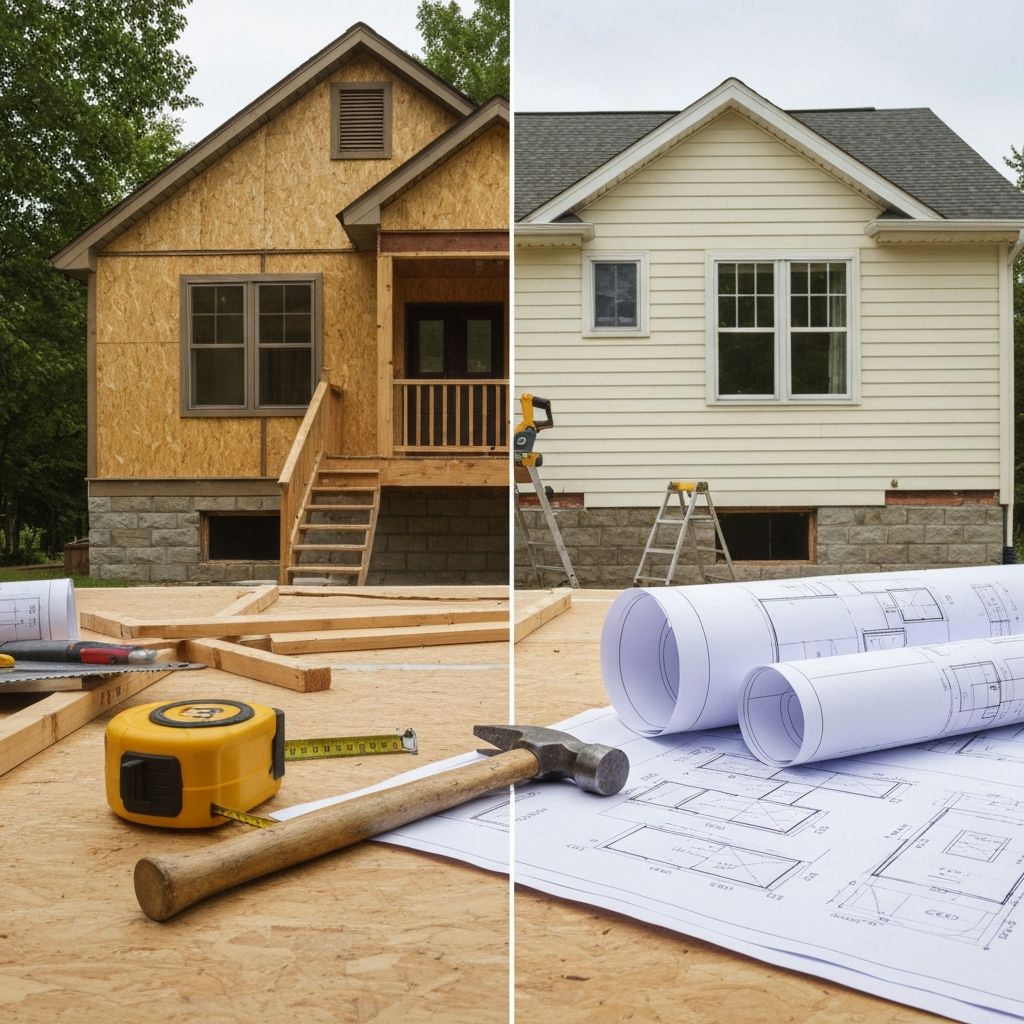
Hard money loans have transformed the real estate investment landscape, providing investors with fast, flexible financing that traditional banks simply cannot match. Whether you're flipping houses, acquiring rental properties, or funding ground-up construction, understanding hard money lending is essential for any serious investor.
In this comprehensive guide, we'll explore everything you need to know about hard money loans—from basic concepts to advanced strategies that experienced investors use to maximize returns. Drawing from nearly two decades of experience funding over $500 million in real estate transactions, I'll share insider insights that most guides overlook.
What Exactly is a Hard Money Loan?
A hard money loan is a short-term, asset-based loan secured by real estate. Unlike conventional mortgages that focus primarily on the borrower's income, credit, and debt-to-income ratios, hard money lenders evaluate the deal based on the property itself—specifically, its value and potential.
The "Hard" in Hard Money
The term "hard money" refers to the hard asset (real estate) that secures the loan. Because the property serves as collateral, lenders can offer faster approvals and more flexible qualification requirements than traditional banks.
Key Characteristics of Hard Money Loans
- Asset-Based Underwriting: The property's value—not your income—is the primary qualification factor.
- Short-Term Duration: Typically 6-24 months, designed for transitional situations.
- Fast Funding: Closings can happen in as little as 7-14 days, compared to 30-60 days for conventional loans.
- Higher Interest Rates: Rates typically range from 9-15%, reflecting the speed and flexibility offered.
- Points and Fees: Origination fees (points) typically range from 1-3% of the loan amount.
- Interest-Only Payments: Most hard money loans require only interest payments during the term.
When Should You Use Hard Money Financing?
Hard money isn't right for every situation, but for certain investment strategies, it's the ideal—and sometimes only—financing solution.
Fix-and-Flip Projects
The classic use case for hard money. You need fast capital to acquire a distressed property, funds to renovate it, and a short-term loan that you'll pay off when you sell. Hard money's speed lets you beat cash buyers to deals, and the short term matches your flip timeline.
Bridge Financing
When you need to close on a new property before selling an existing one, hard money bridges the gap. This is particularly valuable in competitive markets where contingent offers get rejected.
Time-Sensitive Acquisitions
REO properties, auction purchases, and motivated seller deals often require closing in days, not months. Hard money's speed is your competitive advantage.
Properties That Don't Qualify for Conventional Financing
Distressed properties, those needing significant repairs, or properties with title issues that require time to resolve may not qualify for traditional financing. Hard money lenders can often work with these situations.
Investors Who Don't Qualify Conventionally
Self-employed investors, those with recent credit events, or investors with multiple properties may find traditional financing difficult or impossible. Hard money's asset-based approach provides an alternative.
How Hard Money Lending Works: The Complete Process
Step 1: Deal Analysis
Before approaching a lender, analyze your deal thoroughly. You'll need:
- Property address and details
- Purchase price or current value
- Renovation budget (if applicable)
- After-Repair Value (ARV) estimate
- Your exit strategy and timeline
Step 2: Loan Application
Submit your application with property details, your investment experience, and proposed terms. Good lenders will give you a quick preliminary answer—often within 24 hours.
Step 3: Due Diligence
The lender will order an appraisal or BPO (Broker Price Opinion) and verify the property's value. They'll also review your track record and the deal's fundamentals.
Step 4: Underwriting and Approval
Once due diligence is complete, the lender issues a loan commitment with final terms. This typically takes 3-7 days from application.
Step 5: Closing
With approved financing, you proceed to closing. Hard money closings can happen in as little as 7 days, though 10-14 days is more typical.
Understanding Hard Money Costs and Terms
Interest Rates
Hard money rates typically range from 9-15%, depending on:
- Loan-to-Value (LTV) ratio
- Borrower experience
- Property type and condition
- Exit strategy strength
- Market conditions
Points (Origination Fees)
Most hard money lenders charge 1-3 points at closing. One point equals 1% of the loan amount. A $300,000 loan with 2 points means $6,000 in origination fees.
Other Fees to Expect
- Appraisal Fee: $400-$800 depending on property type
- Document Preparation: $500-$1,500
- Title Insurance: Required, varies by loan amount
- Escrow/Closing Fees: Standard title company charges
- Extension Fees: If you need more time, typically 0.5-1% per month
LTV and ARV Calculations
Loan-to-Value (LTV): Most hard money lenders will lend 65-75% of the property's current value.
After-Repair Value (ARV): For fix-and-flip loans, lenders may lend up to 70-75% of the ARV, including renovation funds.
Example: A property worth $200,000 that will be worth $300,000 after repairs might qualify for $210,000 (70% of $300,000 ARV), covering both purchase and renovation costs.
What Do Hard Money Lenders Look For?
The Property (Most Important)
Hard money is asset-based lending. The lender's primary concern is whether they could sell the property and recover their investment if you default. They evaluate:
- Current market value
- Property condition and marketability
- Location and market dynamics
- Realistic ARV potential (for rehab loans)
Your Experience
While not as critical as in conventional lending, your track record matters. First-time flippers may face higher rates or lower LTVs. Experienced investors often get preferred terms.
Your Exit Strategy
Lenders want to know how you'll repay them. A clear, realistic exit strategy—whether selling the property, refinancing to long-term debt, or another plan—is essential.
Skin in the Game
Most lenders want you to have some equity in the deal. Bringing a down payment (typically 10-30%) shows commitment and reduces lender risk.
Hard Money Pros and Cons
Advantages
- Speed: Close in days, not months
- Flexibility: Qualify based on the deal, not your W-2
- Property Types: Fund deals that banks won't touch
- Scalability: No limit on number of loans
- Competitive Edge: Act quickly on opportunities
Disadvantages
- Higher Costs: Rates and fees exceed conventional loans
- Short Terms: Pressure to execute quickly
- Down Payment: Higher equity required than conventional
- Extension Risk: If your project runs long, extension fees add up
Pro Tips for Hard Money Success
Build Lender Relationships
Don't wait until you have a deal to find a lender. Establish relationships in advance so you can move quickly when opportunities arise.
Underestimate ARV, Overestimate Rehab Costs
Conservative numbers protect you and build credibility with lenders. Experienced lenders see through inflated projections immediately.
Have a Backup Exit Strategy
What if your flip doesn't sell? Can you refinance and hold it as a rental? Having Plan B shows sophistication and reduces lender concerns.
Communicate Proactively
If your project hits delays, contact your lender early. Lenders appreciate transparency and are more likely to work with you on extensions if you communicate proactively.
Conclusion: Is Hard Money Right for You?
Hard money loans are powerful tools for the right situations. If you need speed, flexibility, and are willing to pay premium rates for premium service, hard money can unlock deals that would otherwise be impossible.
At DH Leffridge, we specialize in connecting investors with the right financing solutions. Whether hard money makes sense for your next deal depends on your specific situation, timeline, and investment strategy.
Ready to explore hard money financing? Submit a funding request and let's discuss your options.
Need Fast, Flexible Financing?
DH Leffridge offers hard money loans starting at 9.99% with closings in as fast as 7 days. Let us help you capitalize on your next opportunity.