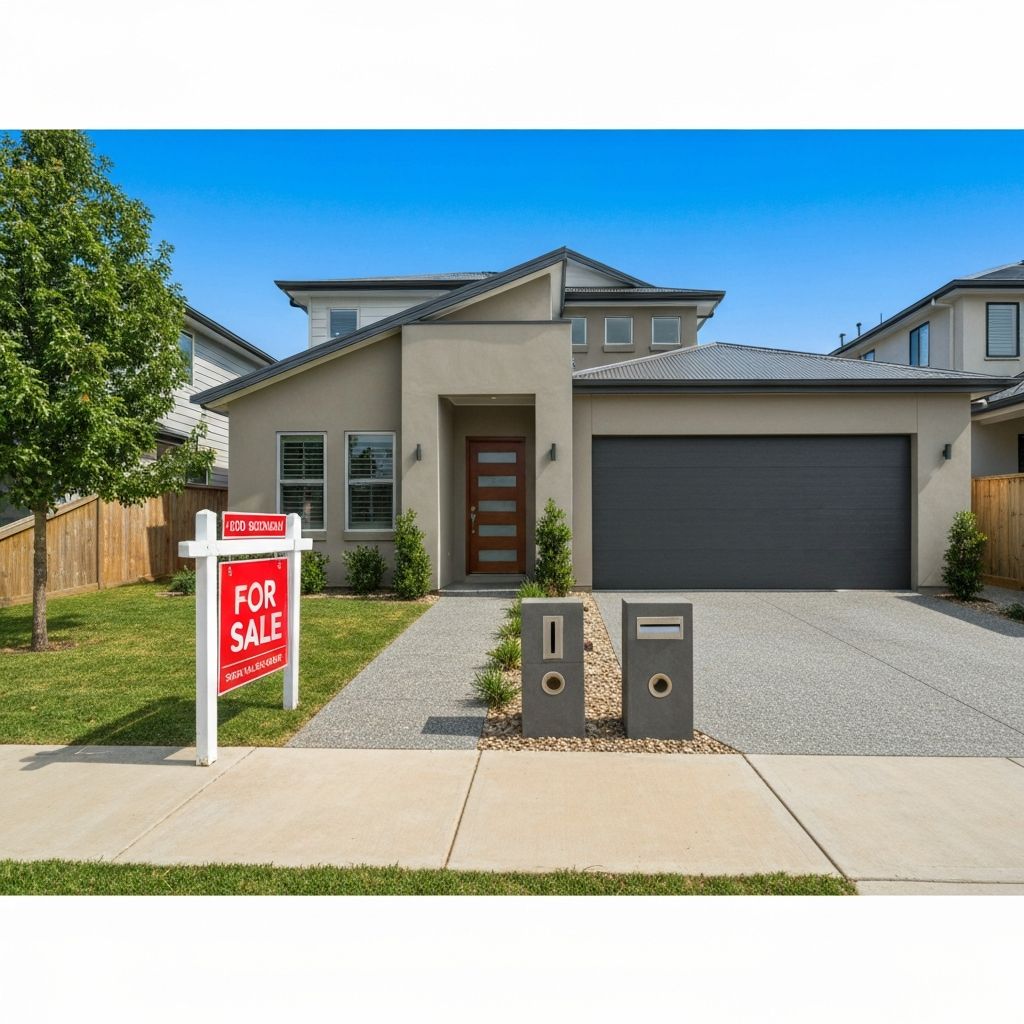
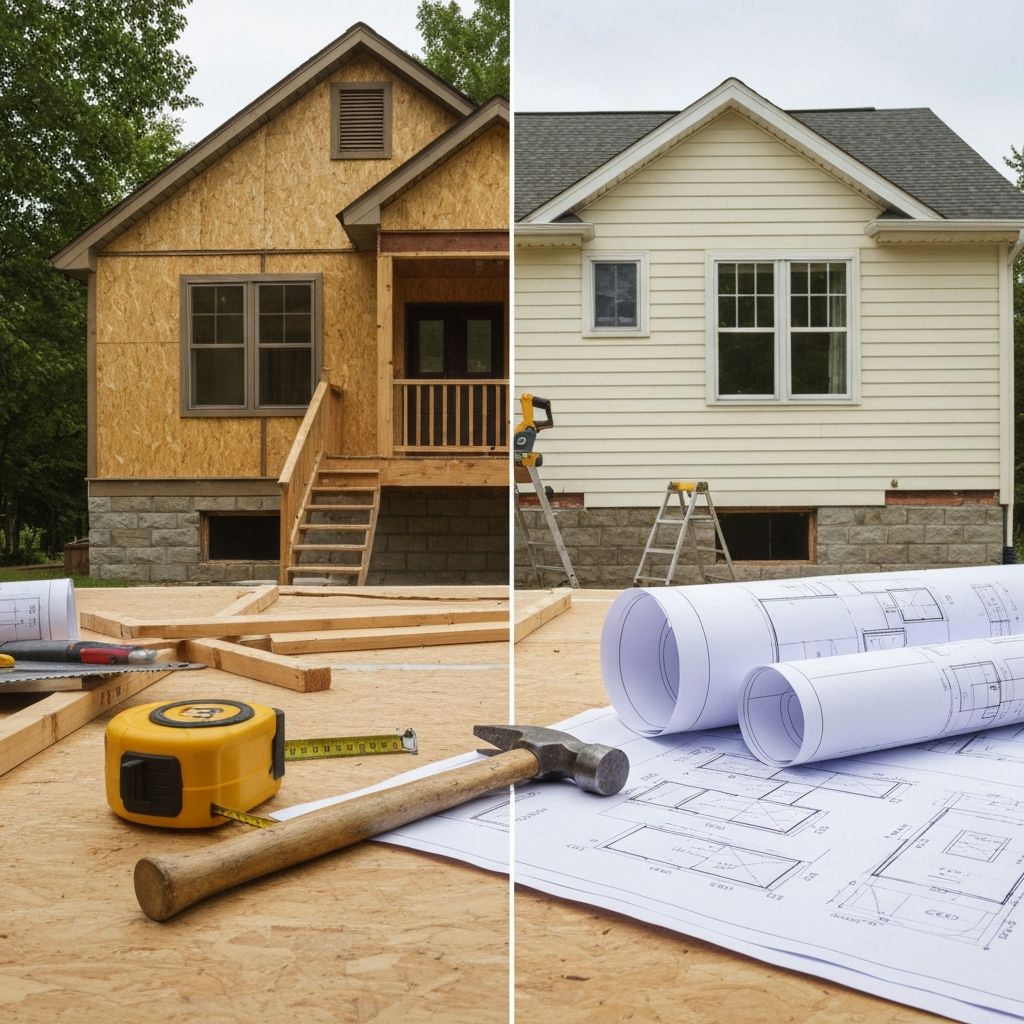
House flipping has created more millionaires in real estate than almost any other strategy. But for every success story, there are countless investors who lost money because they didn't understand the fundamentals. In this comprehensive guide, I'll share the strategies that separate profitable flippers from those who struggle—lessons learned from funding hundreds of fix-and-flip projects totaling over $500 million.
Whether you're considering your first flip or looking to scale an existing operation, these battle-tested strategies will help you maximize profits and minimize risk.
The 70% Rule: Your Foundation for Profit
The 70% Rule is the golden formula that every successful flipper lives by. It's simple, but ignoring it is the fastest path to losing money.
The Formula
Maximum Purchase Price = (ARV × 70%) - Renovation Costs
Let's break this down with an example:
- After Repair Value (ARV): $300,000
- Renovation Budget: $50,000
- Maximum Purchase Price: ($300,000 × 0.70) - $50,000 = $160,000
Why 70%?
The 30% buffer accounts for:
- Holding Costs: Mortgage payments, insurance, taxes, utilities during renovation and sale (typically 5-8% of ARV)
- Transaction Costs: Purchase closing costs, sale closing costs, agent commissions (typically 8-10% of ARV)
- Profit: Your reward for the time, capital, and risk involved (ideally 10-15% of ARV)
- Contingency: Buffer for unexpected issues (always have 10% contingency)
When to Adjust the Rule
Some experienced investors work with tighter margins in hot markets or on higher-value properties. However, if you're starting out, stick to 70% or even more conservative. You can always make a deal better by being disciplined; you can never recover from overpaying.
Advanced Deal Analysis Techniques
Calculating True ARV
Your After Repair Value estimate is the most critical number in any flip analysis. Get it wrong, and nothing else matters.
Comparable Sales Analysis: Look at properties that sold within the last 3-6 months within a 0.5-mile radius. They should be similar in:
- Square footage (within 10%)
- Bedroom/bathroom count
- Lot size and condition
- Age and style
- Location quality
Adjustments: Make value adjustments for differences. A property with a pool might be worth $15,000 more; one on a busy street might be worth $10,000 less.
Conservative Estimation: Use the lower end of your comp range. Markets change, and optimistic ARVs have killed more flip profits than any other factor.
Accurate Renovation Budgeting
Most new flippers underestimate renovation costs by 20-30%. Here's how to budget accurately:
Get Multiple Bids: Get at least three contractor bids for every major system. This gives you price ranges and reveals outliers.
Include Everything: Your budget should cover materials, labor, permits, dumpsters, cleaning, staging, and landscaping.
Add Contingency: Always add 10-15% contingency for surprises. Old houses hide problems—plumbing issues, electrical problems, structural concerns that weren't visible during inspection.
Building Your Power Team
Flipping is a team sport. Your success depends heavily on the quality of your team. Build these relationships before you need them.
General Contractor
Your GC is your most important team member. Look for:
- Experience with investment properties (different from homeowner renovations)
- Licensed, insured, and bonded
- References from other investors
- Realistic timeline estimates
- Clear communication style
Real Estate Agent
Work with an agent who understands investment properties and can:
- Help you find off-market deals
- Provide accurate ARV assessments
- List and sell quickly when the flip is complete
- Negotiate hard on purchases
Lender
Establish relationships with hard money lenders before you have a deal. Know your funding options, rates, and timelines so you can move quickly when opportunities arise.
Other Team Members
- Home Inspector: Finds problems before you buy
- Attorney: Reviews contracts and handles closings
- Accountant: Optimizes your tax strategy
- Insurance Agent: Provides builder's risk and liability coverage
Finding Profitable Deals
The MLS (Multiple Listing Service)
Yes, good deals still exist on the MLS. Look for:
- Properties with high days-on-market
- Expired listings
- Price reductions
- Properties in probate or estate sales
- Bank-owned (REO) properties
Direct-to-Seller Marketing
The best deals often come from motivated sellers before they list. Methods include:
- Direct Mail: Target absentee owners, tax delinquent properties, pre-foreclosures
- Driving for Dollars: Look for distressed properties and contact owners
- Networking: Attorneys, agents, and other investors can send deals your way
Auctions
Foreclosure and tax lien auctions can offer below-market deals, but require cash and carry significant risk. Do your due diligence carefully.
Renovation Strategy: What to Fix and What to Skip
High-ROI Improvements
Focus your budget on improvements that buyers care about most:
- Kitchens: New cabinets, countertops, appliances, and fixtures provide the highest ROI
- Bathrooms: Modern vanities, fixtures, and tile make huge impressions
- Flooring: Consistent, quality flooring throughout creates flow
- Paint: Fresh, neutral paint is the cheapest high-impact improvement
- Curb Appeal: First impressions matter—landscaping, paint, front door
Over-Improvements to Avoid
Don't exceed neighborhood standards. You can't recoup costs on:
- High-end finishes in mid-range neighborhoods
- Adding square footage in area where size doesn't command premiums
- Swimming pools (often cost more than they add in value)
- Highly personal design choices
Managing Your Timeline
Time is money in house flipping. Every month you hold a property costs you in interest, taxes, insurance, and opportunity cost.
Typical Fix-and-Flip Timeline
- Acquisition: 2-4 weeks from contract to close
- Renovation: 4-12 weeks depending on scope
- Sale: 2-8 weeks from list to close
- Total: 3-6 months for a typical flip
Timeline Management Tips
- Order materials before closing so they arrive when you take possession
- Schedule subcontractors in advance and have backups ready
- Get permits pulled immediately—delays here cascade throughout the project
- Do your due diligence thoroughly before buying to avoid surprises
Exit Strategies and Contingency Planning
Primary Exit: Quick Sale
Your goal is to sell quickly at your target price. To maximize sale speed:
- Price slightly below competition to create urgency
- Stage the property professionally
- Use professional photography and video
- List at optimal timing for your market
Backup Exit: Rent and Refinance (BRRRR)
If the market softens or you can't achieve your target price, can you rent the property and refinance into a long-term loan? Run rental numbers on every flip so you have this option.
Emergency Exit: Sell to Investor
In worst-case scenarios, other investors will buy your completed flip at a discount. Know your breakeven number and be willing to take a small loss rather than hold indefinitely.
Conclusion: Building a Profitable Flipping Business
Successful house flipping isn't about lucky finds or perfect timing—it's about disciplined execution of proven principles. Follow the 70% Rule. Build a great team. Analyze deals conservatively. Manage your renovations efficiently. And always have contingency plans.
At DH Leffridge, we've funded hundreds of successful fix-and-flip projects. We understand what makes deals work and can help you structure financing that maximizes your profits.
Ready to fund your next flip? Submit a funding request and let's discuss your project.
Ready to Flip?
DH Leffridge offers fix-and-flip financing with up to 90% LTV, fast closings, and terms designed for investors. Let us help you fund your next profitable project.