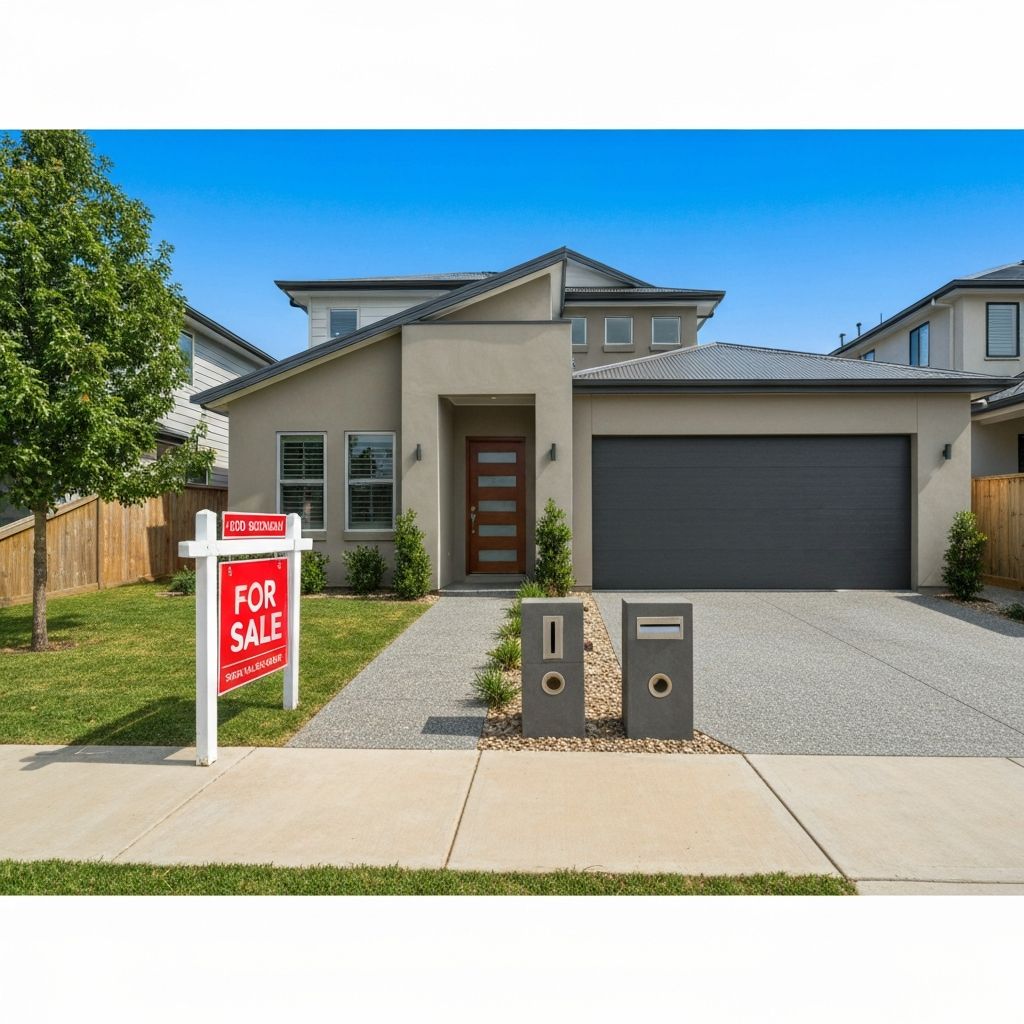

Building a rental property portfolio is one of the most reliable paths to generational wealth. Real estate has created more millionaires than any other asset class, and rental properties offer the perfect combination of cash flow, appreciation, tax benefits, and leverage. In this comprehensive guide, I'll walk you through the exact strategies that successful investors use to build portfolios worth millions—the same strategies we've helped clients implement while funding over $500 million in real estate transactions.
Whether you're buying your first rental or your fiftieth, the principles in this guide will help you accelerate your wealth-building journey.
Why Rental Properties Build Wealth
Before diving into strategies, let's understand why rental real estate is such a powerful wealth-building vehicle.
The Four Pillars of Rental Wealth
1. Cash Flow: Monthly rental income exceeding your expenses puts money in your pocket every month. Even modest cash flow of $200-300 per property adds up significantly across a portfolio.
2. Appreciation: Over time, properties increase in value. Historically, real estate appreciates 3-5% annually, though well-chosen properties in growing markets can appreciate much faster.
3. Principal Paydown: Every mortgage payment reduces your loan balance. Your tenant is literally buying the property for you.
4. Tax Benefits: Depreciation, mortgage interest deductions, and 1031 exchanges make real estate one of the most tax-advantaged investments available.
The Power of Leverage
Real estate's ability to use leverage amplifies returns dramatically. Consider:
- You buy a $200,000 property with $40,000 down (20%)
- The property appreciates 5% ($10,000)
- Your return on invested capital: $10,000 / $40,000 = 25%
That same 5% appreciation becomes a 25% return because you only invested 20% of the property's value. Add cash flow, principal paydown, and tax benefits, and total returns often exceed 30-50% annually.
Starting Your Portfolio: The First Property
Defining Your Strategy
Before buying anything, clarify your investment criteria:
- Property Type: Single-family, small multi, large multi?
- Location: Local, regional, or out-of-state?
- Class: A-class (low yield, low hassle), B-class (balanced), or C-class (higher yield, more management)?
- Cash Flow vs. Appreciation: Midwest markets offer cash flow; coastal markets offer appreciation potential.
Finding Your First Deal
Your first property should be relatively straightforward—a solid performer that teaches you the fundamentals without excessive risk.
Target Criteria:
- Strong rental demand in the area
- At least breakeven cash flow (ideally positive)
- Good condition (minimize renovation learning curve)
- At or below market value
Financing Your First Rental
Options for your first investment property:
- Conventional Investment Property Loan: 15-25% down, competitive rates, income verification required
- House Hacking: Buy a multi-unit, live in one unit, rent the others. Qualify for owner-occupied rates (as low as 3.5% down with FHA)
- DSCR Loan: If you have 20-25% down and the property cash flows, no income verification needed
Scaling Your Portfolio: From One to Many
The BRRRR Method
BRRRR (Buy, Rehab, Rent, Refinance, Repeat) is the most powerful strategy for scaling quickly with limited capital.
How BRRRR Works:
- Buy: Acquire a distressed property below market value
- Rehab: Renovate to increase value and rentability
- Rent: Place qualified tenants at market rent
- Refinance: Pull out your invested capital with a cash-out refinance
- Repeat: Use recovered capital to buy the next property
BRRRR Example:
- Purchase price: $120,000
- Renovation: $30,000
- Total invested: $150,000
- After Repair Value: $200,000
- Refinance at 75% LTV: $150,000
- Cash recovered: $150,000 - closing costs
- Result: You own a cash-flowing rental with little to no money left in the deal
Funding Your Growth
As your portfolio grows, you'll need increasingly sophisticated financing strategies:
Properties 1-4: Conventional loans offer the best rates. Max DTI limits usually allow 4-6 properties before hitting walls.
Properties 5-10: DSCR loans become essential. No DTI limits mean unlimited scaling based on property performance.
Properties 10+: Consider portfolio loans, blanket loans, or commercial financing. These bundle multiple properties under single loans with favorable terms.
Reinvesting Cash Flow
Disciplined reinvestment is the key to exponential growth. Consider:
- Saving cash flow for down payments on additional properties
- Using cash flow to accelerate principal paydown, then refinancing
- Reinvesting in property improvements to justify rent increases
Market Selection Strategy
Cash Flow Markets vs. Appreciation Markets
Cash Flow Markets (Midwest, South): Lower prices, higher cap rates, stronger immediate cash flow, slower appreciation. Cities like Cleveland, Memphis, Indianapolis.
Appreciation Markets (Coasts, Major Metros): Higher prices, lower cap rates, minimal cash flow but strong appreciation potential. Cities like Austin, Phoenix, Nashville (hybrid).
Hybrid Markets: Emerging metros offering both cash flow and appreciation. These represent the best opportunities for portfolio builders.
Evaluating Markets
Look for markets with:
- Population and job growth
- Diversified economy
- Landlord-friendly laws
- Below-national-average price-to-rent ratios
- Strong rental demand
Property Management at Scale
Self-Management vs. Professional Management
Self-Management Pros: Save 8-10% of rent, maintain direct control, learn the business intimately.
Professional Management Pros: Free up time, scale without proportional time investment, leverage expertise.
The Tipping Point: Most investors self-manage until 5-10 units, then transition to professional management. The time value of your money often exceeds management fees at scale.
Building Management Systems
Whether self-managing or using professionals, establish systems for:
- Tenant screening and placement
- Rent collection and accounting
- Maintenance requests and vendor management
- Lease renewals and turnover
- Financial reporting and tax preparation
Managing Risk in Your Portfolio
Diversification
Don't put all your eggs in one basket:
- Geographic diversification (multiple markets)
- Property type diversification (single-family, multi-family)
- Tenant diversification (avoid over-reliance on single tenants)
Maintaining Reserves
Keep adequate reserves for:
- Vacancy (typically 5-8% of income)
- Maintenance and repairs (8-12% of income)
- Capital expenditures (roof, HVAC, etc.)
- Emergency fund (3-6 months of total PITIA across portfolio)
Insurance and Legal Protection
Protect your assets with:
- Adequate property and liability insurance
- Umbrella policy for additional liability coverage
- LLC or other entity structure for liability protection
- Proper lease agreements reviewed by real estate attorney
Tax Strategies for Portfolio Investors
Depreciation
Residential rental properties depreciate over 27.5 years. This paper loss often eliminates taxable income from your rentals while you still pocket the cash flow.
Cost Segregation
Accelerate depreciation by segregating property components. A cost segregation study can front-load years of depreciation deductions.
1031 Exchanges
Defer capital gains taxes indefinitely by exchanging properties. This allows your wealth to compound without tax drag.
Real Estate Professional Status
If you qualify as a real estate professional (750+ hours annually), you can use rental losses to offset other income—a powerful tax planning tool.
Conclusion: Your Path to Financial Freedom
Building a rental portfolio isn't a get-rich-quick scheme—it's a get-rich-certainly strategy. Investors who consistently acquire good properties, manage them well, and reinvest their returns build substantial wealth over 10-20 years.
At DH Leffridge, we've helped hundreds of investors build and scale their rental portfolios. Whether you need financing for your first property or your fiftieth, we have the lending relationships and expertise to help you grow.
Ready to build your portfolio? Submit a funding request and let's discuss your investment goals.
Scale Your Portfolio
DH Leffridge offers DSCR loans, portfolio financing, and BRRRR refinancing to help you grow your rental empire. No income verification, no DTI limits—just asset-based lending that scales with you.